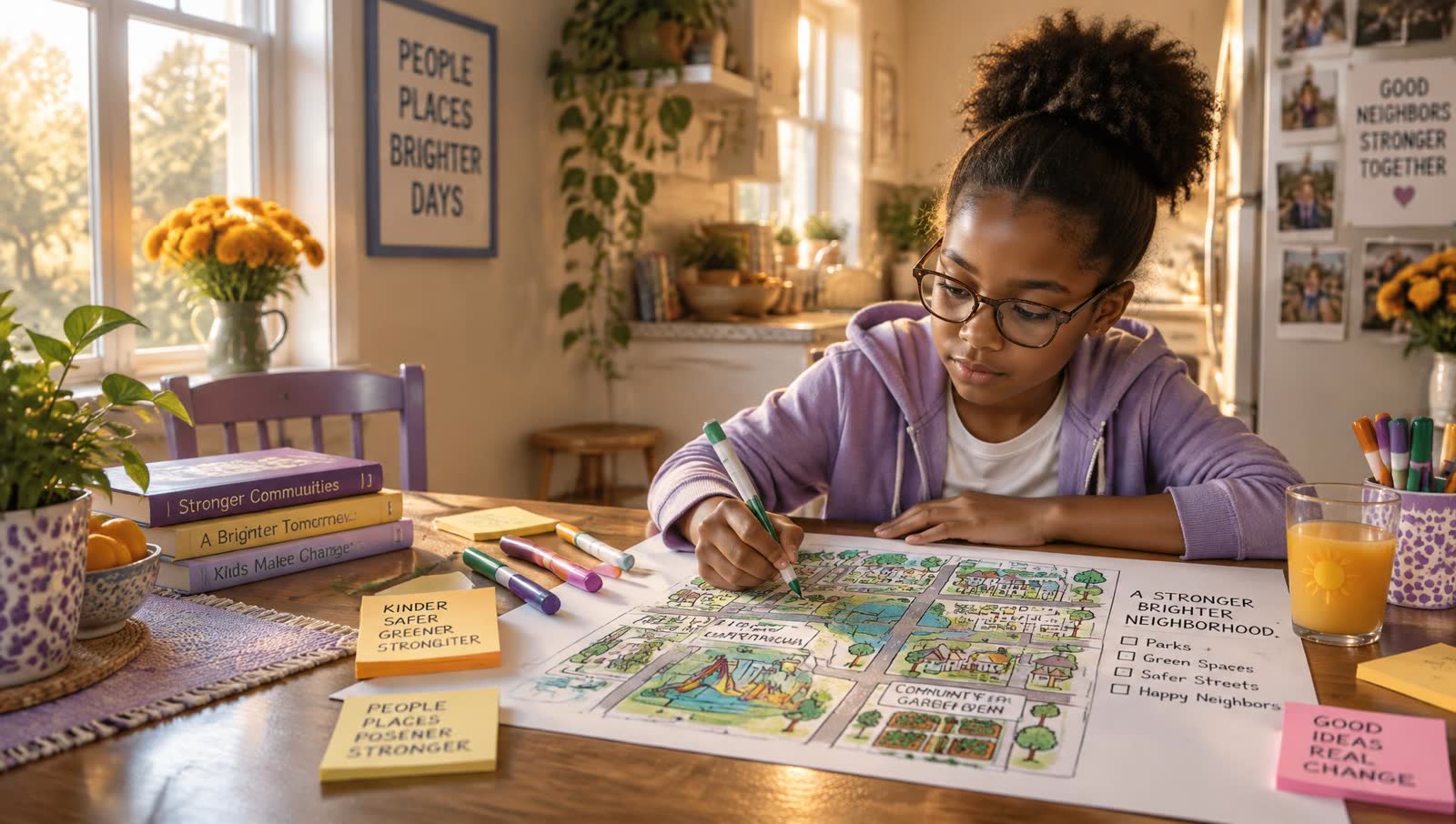
The learning hub
She Can Lead Here.
Three chapters. Each one has something to click, try, or decide. Start anywhere.
Chapter 01
What Does a Governor Do?
The governor is the leader of the whole state — kind of like the principal of Georgia, if Georgia had about 11 million students.
- Proposes the state budget — how money is spent on schools, roads, and health care.
- Signs or vetoes bills the legislature passes.
- Leads state agencies and appoints people to run them.
- Responds to emergencies like storms and floods.
But the governor doesn't decide alone. The General Assembly (the state legislature) writes laws and the budget. Your school board and city council make many of the decisions closest to home.

Follow the school money
Governor proposes
Each January, the governor sends the General Assembly a proposed state budget — including how much goes to public schools.
Chapter 02
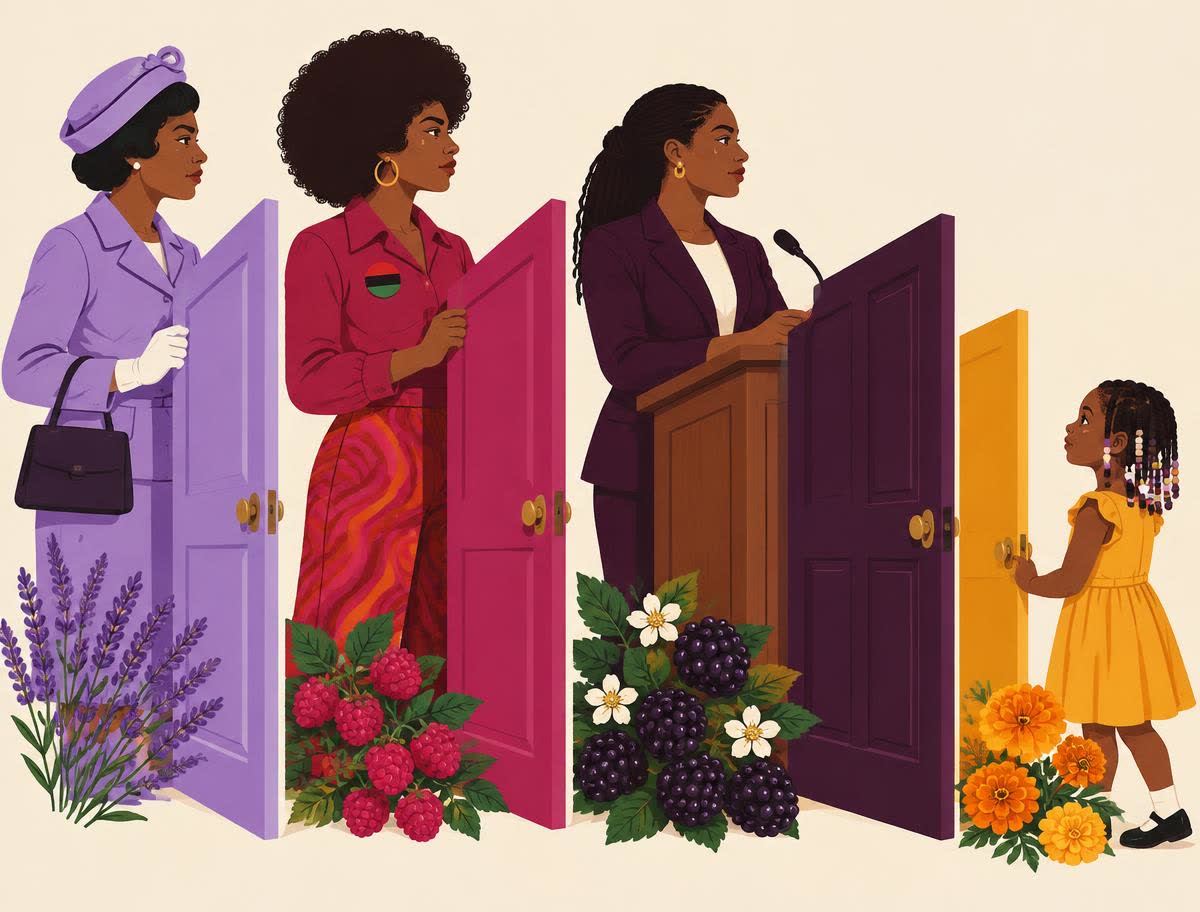
The Women Who Opened Doors.
Some organized. Some ran. Some did both. Tap a name to open her story, see what she did, and follow the sources yourself.
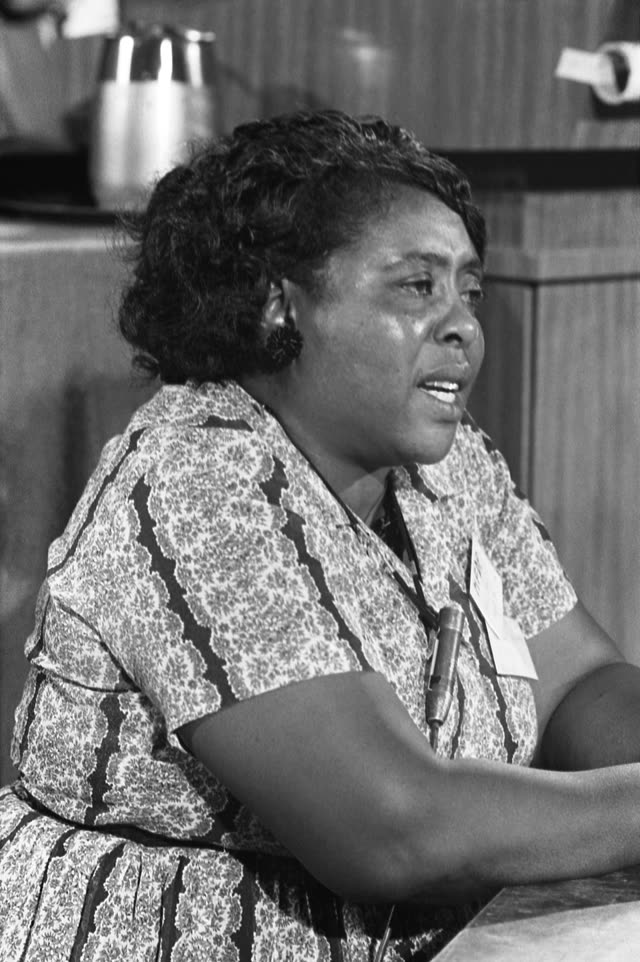
Warren K. Leffler, U.S. News & World Report, Library of Congress (restored by Adam Cuerden) · Public domain A sharecropper who was fired for trying to register to vote, Hamer became one of the movement's most powerful voices. Her televised testimony for the Mississippi Freedom Democratic Party in 1964 showed the nation what Black voters faced.
- 1962Tries to register to vote in Mississippi and loses her job for it.
- 1964Co-founds the Mississippi Freedom Democratic Party and testifies at the Democratic National Convention.
Sources
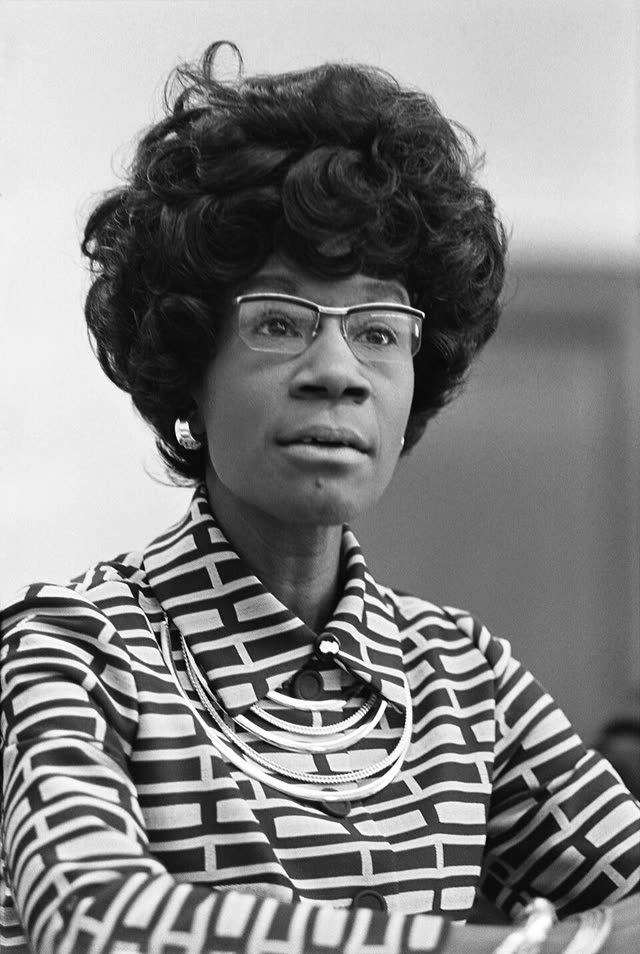
Thomas J. O'Halloran, U.S. News & World Report, Library of Congress (restored by Adam Cuerden) · Public domain “Unbought and Unbossed.” Chisholm became the first Black woman elected to Congress in 1968, and in 1972 the first Black woman to run for a major party's presidential nomination.
- 1968Elected to the U.S. House — the first Black woman in Congress.
- 1971Becomes a founding member of the Congressional Black Caucus.
- 1972Runs for the Democratic presidential nomination.
Sources
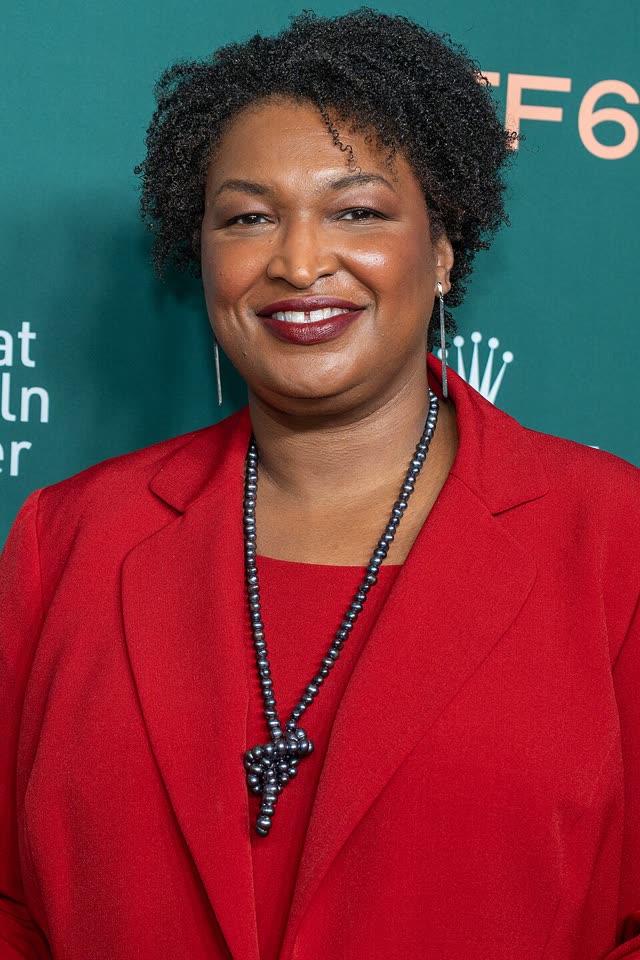
Bryan Berlin, via Wikimedia Commons · CC BY-SA 4.0 Abrams served in the Georgia House from 2007 to 2017, leading the Democratic caucus as minority leader. In 2018 she became the first Black woman to be a major party's nominee for governor anywhere in the U.S., then built Fair Fight Action to expand voter access.
- 2007Takes office in the Georgia House of Representatives.
- 2011Becomes House Minority Leader — the first woman to lead a party in the Georgia General Assembly.
- 2018Becomes the first Black woman major-party nominee for governor in U.S. history; founds Fair Fight Action.
Sources
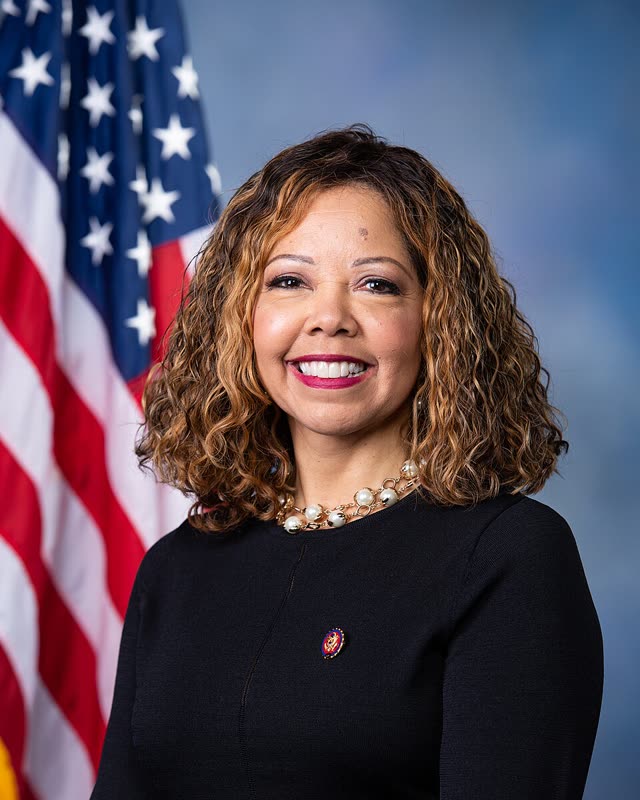
United States House of Representatives · Public domain After her son Jordan Davis was killed in 2012, McBath became a national gun-safety advocate. In 2018, as a first-time candidate, she won a metro Atlanta seat in Congress, taking office in 2019.
- 2012Her son Jordan Davis is killed; she becomes an advocate for gun safety.
- 2018Elected to Congress from Georgia's 6th District as a first-time candidate.
Sources
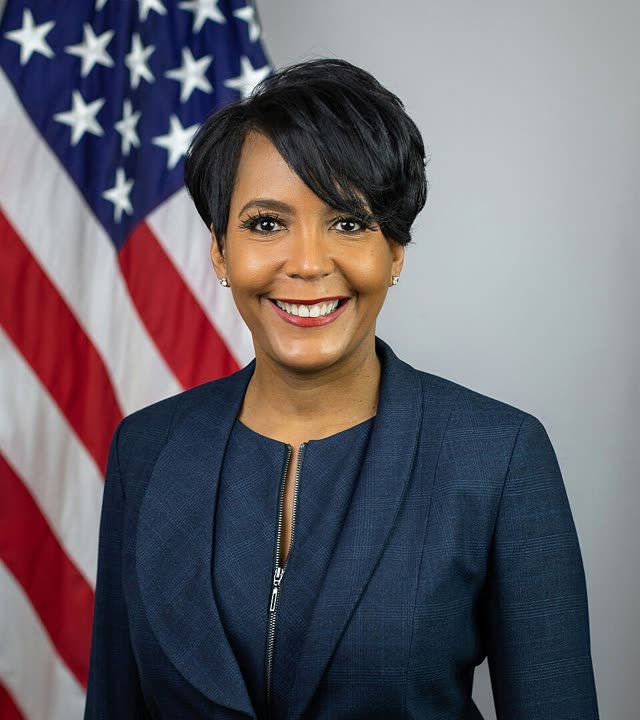
Executive Office of the President of the United States · Public domain An Atlanta native, Bottoms served on the Atlanta City Council, then as the city's 60th mayor, and later as a senior adviser in the White House. On November 3, 2026, she won Georgia's governor's race — the first Black woman elected governor of Georgia and the first Black woman elected governor of any U.S. state.
- 2010Takes office on the Atlanta City Council.
- 2018Sworn in as Mayor of Atlanta.
- 2022Joins the White House as a senior adviser for public engagement.
- 2026Won the Georgia governor's race on Nov. 3; news organizations called the race on election night. Results are unofficial until state certification.
Sources
Chapter 03
My First 100 Days.
Every new governor makes a plan for her first 100 days. Now it's your turn. Pick one thing you'd change, figure out who has the power to act, and decide who you'll bring with you.
More tools in the Resource Room →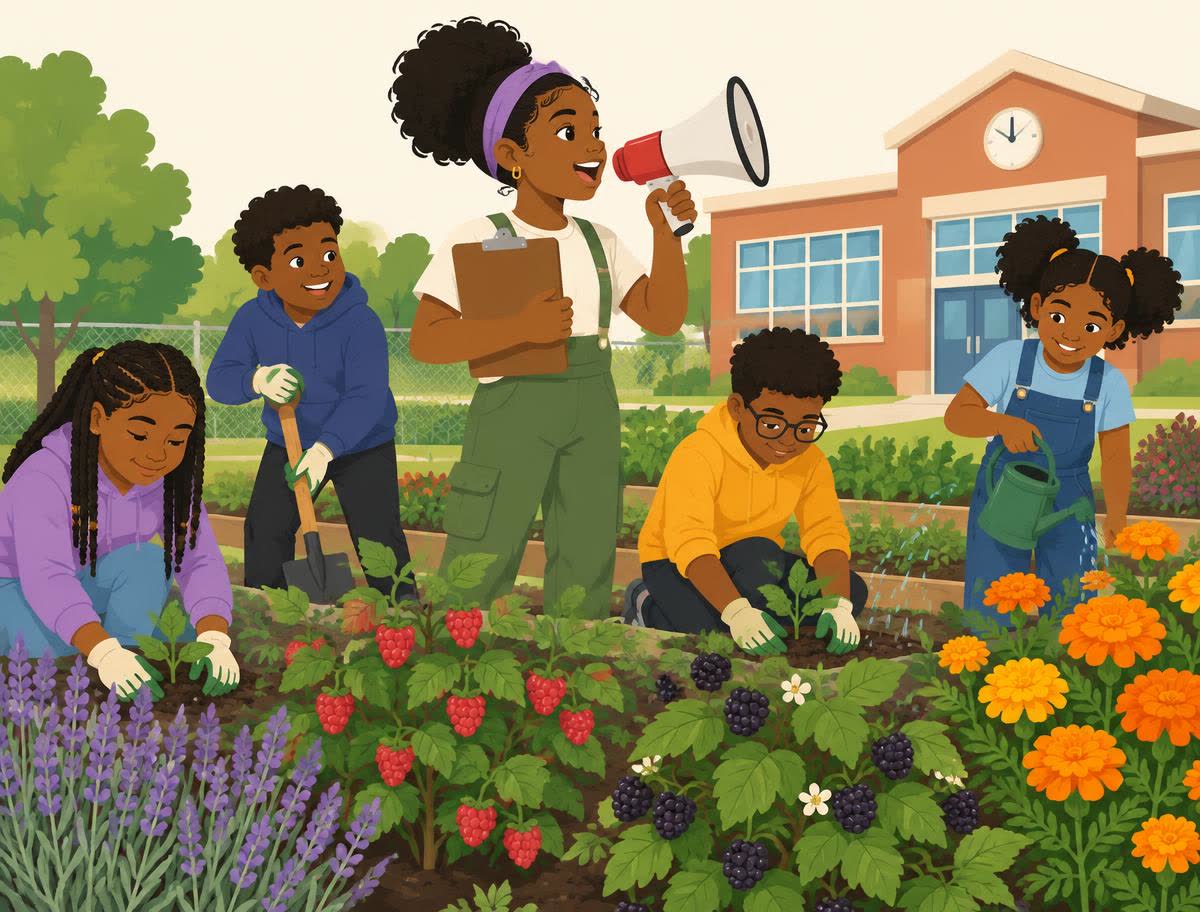
- Pick a change
- Who has the power?
- Who comes with you?
- My plan
Day 1: What's one thing you'd change?
Pick an idea or write your own — at school or in your community.